8 myths about artificial intelligence that lots of people believe (and the reality)
Can ChatGPT tell if a text was written by AI? Is everything you type used for training? Does every question use a bottle of water? We go through the most common AI myths using the companies' own data.
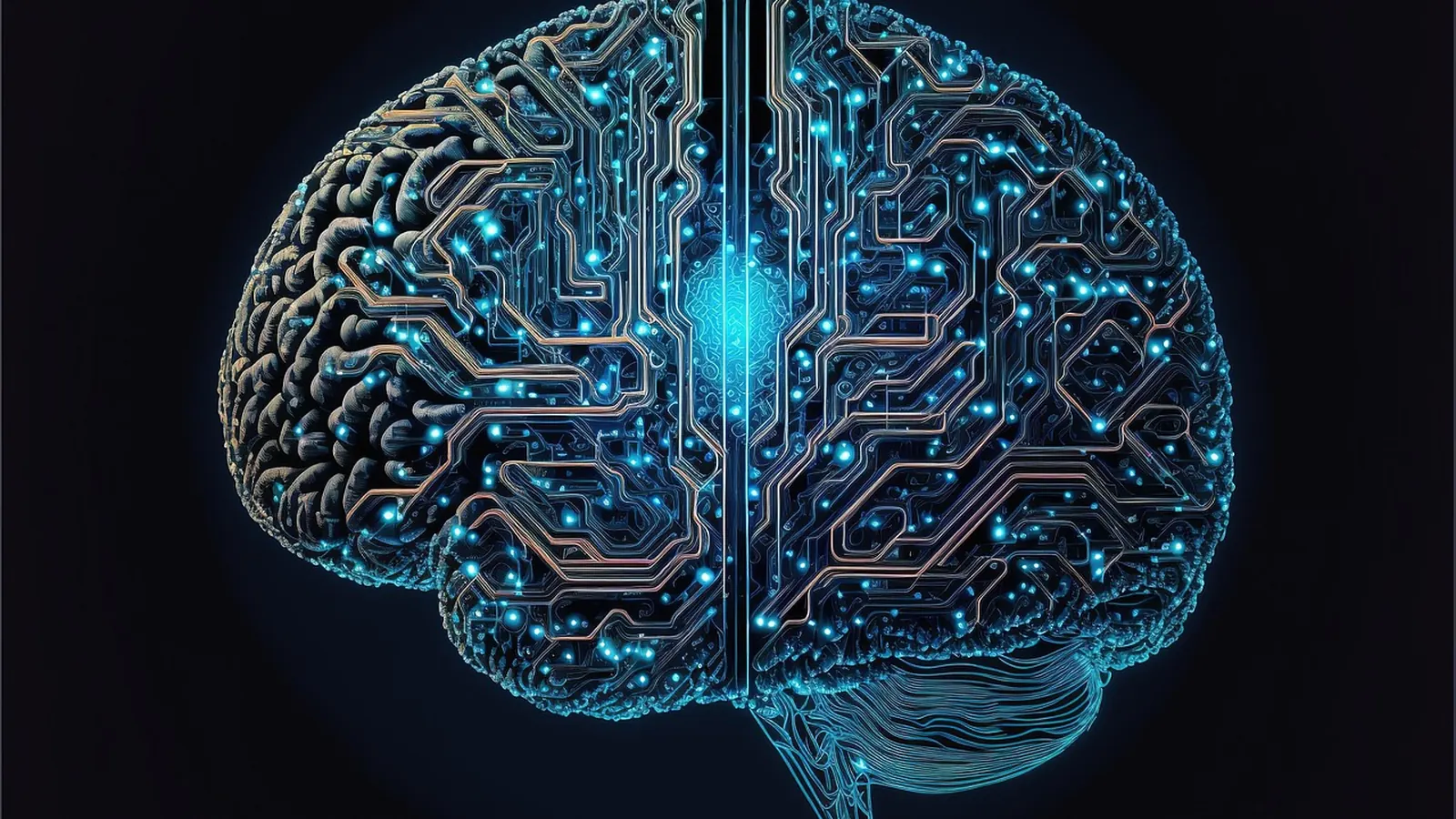
AI is everywhere now, and so are plenty of ideas about it that aren’t quite true. Some overstate what AI can do; others downplay real risks. Here are eight common myths and what the data says, mostly from the AI companies themselves.
1. “AI understands what it says, like a person”
Reality: chatbots like ChatGPT, Gemini or Claude produce answers from patterns learned from huge amounts of text, as OpenAI explains in its help center. They write very well, but that doesn’t mean they understand the world as you do or have intentions. For the basics, see what artificial intelligence is.
2. “If it sounds confident, it must be right”
Reality: OpenAI itself warns that ChatGPT can sound confident when it’s wrong. It can make up dates, quotes, studies or links that don’t exist, which is called hallucination. Its advice: treat it as a first draft, not a final source, and always check facts, quotes and references. More in why AI makes things up.
3. “It knows everything and is always up to date”
Reality: every model learns up to a cutoff date. It only knows about later events if it searches the web, and not every site lets it in (paywalls, or sites that block it). When being current matters, ask it to search and open the links it cites yourself.
4. “ChatGPT can tell you whether a text was written by AI”
Reality: it can’t. OpenAI says plainly that ChatGPT cannot reliably tell whether text was AI-generated or who wrote it. If you ask “did you write this?”, its answer is not evidence. That matters a lot in schools: accusing a student based only on what a chatbot says is unfair.
5. “Everything you tell it is used for training”… or “nothing is”
Reality: it depends on your plan and settings. According to OpenAI:
| Situation | Can it be used for training? |
|---|---|
| Personal plans (Free, Plus, Pro) by default | Yes, it may be |
| If you turn off “Improve the model for everyone” | New conversations, no |
| Temporary chats | No, while they stay temporary |
| Business, Enterprise, Edu and the API | No, by default |
One catch: even if you opt out, giving a thumbs up or down on a reply can mean that whole conversation is used for training on personal plans. And training isn’t the only concern; some things are best never shared. See what not to tell ChatGPT.
6. “Every AI question uses a bottle of water”
Reality: that’s an exaggeration, at least for a normal text question. Google estimates a typical Gemini text prompt uses about 0.26 ml of water (around five drops) and 0.24 Wh of energy. Those are the company’s own figures, not independently verified, and they leave out images, video and training.
But a small cost per question doesn’t mean AI uses little overall: the International Energy Agency projects data center electricity use could rise from about 415 TWh in 2024 to around 945 TWh by 2030, with AI as the main driver. All the numbers are in how much energy and water AI uses.
7. “AI is neutral, it just gives facts”
Reality: AI learns from text written by people, biases included. OpenAI acknowledges ChatGPT may present one view as absolute truth, oversimplify, or misstate how strong a scientific consensus is. On politics, health or money, ask for several perspectives and check trusted sources.
8. “If it’s free, there’s no catch”
Reality: almost every AI has a genuinely useful free tier, but there are usually limits (number of messages, older models, fewer features), and on personal plans your chats may help improve the service unless you turn that off. Not a bad thing, just worth knowing. If you’re shopping around, see the best free AI tools.
The big picture
AI is a very useful tool and also a fallible one. Neither magic nor doom. Use it to think, summarize, draft or learn, and keep the final say for yourself: check what matters, protect your data and be wary of answers that look too perfect.